

 Loading

A credit score is a vital number. It is the key that unlocks your major life goals, from buying your first home to securing a low interest auto loan. Lenders, landlords and even some employers use this score to decide how much they trust you, so understanding how it works is one of the smartest financial moves you can make.
If you have ever asked yourself, “How can I build my credit from scratch?” you are not alone. This guide breaks down what affects your credit score and gives you a step-by-step playbook for building a strong score, whether you are starting fresh or repairing past missteps.
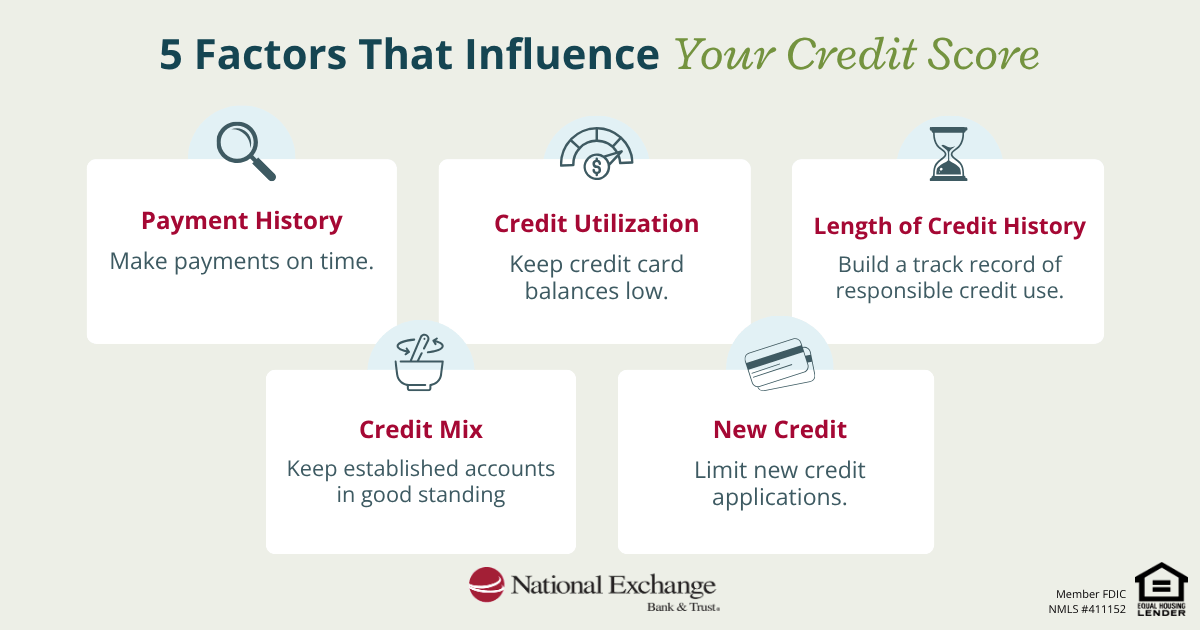
What Affects Your Credit Score?
Understanding exactly what affects your credit score is the first step to taking control of your financial future. While credit scoring models vary, several key factors commonly influence your credit score. Understanding these factors can help you make informed financial decisions and develop healthy credit habits over time.
- Payment History: This is the most important factor of all. Regular, on-time payments show lenders you are reliable.
- Credit Utilization: This measures how much of your available credit limit you are using. Aim to keep this figure under 30%.
- Length of Credit History: The longer your accounts have been open and in good standing, the better your score looks.
- Credit Mix: A healthy blend of revolving credit (cards) and installment loans (car/student loans) shows you can manage different types of debt.
- New Credit: Applying for too many accounts in a short window signals risk. Space out new applications whenever possible.
Together, these five factors form the foundation of your score. Now that you understand the weight each one carries, you can build a strategy around the areas that will move the needle fastest.
Strategies to Build Credit
Building credit from nothing, or rebuilding it after a dip, does not happen overnight. However, practicing consistent financial habits will steadily build your credit over time.
1. Start by Being a Disciplined Credit Card Holder
Using a credit card and paying it off in-full on-time every month builds your credit. This only works if you stick to the strategy and do not overextend your pocketbook. Another option is to seek out a secured credit card. These cards require a cash deposit that acts as your credit limit, lowering the risk for the lender while still reporting your activity to the major credit bureaus. Bottom line: use it for small, regular items and pay the balance in full each month.
NEBAT only offers credit cards to customers with an existing relationship. To learn more about options with NEBAT, visit our Personal Credit Cards page. Bonus: you can earn reward points for everyday purchases while you build up your credit history.
2. Become an Authorized User
Consider asking a trusted family member to add you as an authorized user on their existing credit card. If they have a long history of responsible credit use, that account may appear on your credit report and help you establish credit history. The impact varies based on your individual credit profile and the credit score model being used.
3. Take Out a Credit Builder Loan
Responsibly managing an installment loan can help establish a positive payment history over time. If you’re considering a NEBAT Personal Loan, a banker from National Exchange Bank & Trust can discuss available options and help determine what may fit your financial goals. Making payments on time and according to the loan terms is an important part of building and maintaining healthy credit.
Whichever path you choose, patience is essential. Credit is built through consistency over months and years.
Daily Habits for a Healthy Financial Score
Small, daily habits do more for your score than any massive financial overhaul. Incorporating these simple routines, and leveraging digital banking tools, will keep your progress on track:
- Automate your minimums with Exchange OnLine: Set up automatic, recurring bill payments using online banking features like Exchange OnLine. Automating the amount due ensures you never accidentally trigger a late fee or a ding on your report. Missing even one payment can set your progress back significantly.
- Track your credit score: Monitoring your credit profile shouldn't cost you anything. You can use credit monitoring tools like SavvyMoney®, which is integrated directly into Exchange OnLine and the NEBAT Mobile Banking App. This allows you to monitor your credit score, track changes, view your full transaction history and spot potential errors or signs of fraud in real-time, right from your phone.
- Treat credit like cash: Never charge more to a card than you can pay off at the end of the month. This single habit keeps your utilization low and protects you from spiraling debt.
- Turn rent and utilities into credit: Some modern rent reporting services and utility tracking tools allow the monthly expenses you are already paying to count toward your credit history. If you have been paying rent on time for years, this is one of the simplest ways to put that history to work for you.
Start Building a Strong Credit Score Today
Your credit score shifts with every payment, every balance and every new account, which means you have far more control over it than it might feel like. By focusing on payment history, keeping utilization low and building healthy daily habits, you may help support your long-term credit goals.
Building credit is a journey that takes time and consistency, but every positive financial habit can help move you closer to your goals. If you have questions about managing credit or would like to learn more about NEBAT’s financial products and services, our team is here to help!
Contact us today to learn more about how our financial tools can help you build credit with confidence.
